How to Write a Certificate of Completion (Examples + Tips)
A well-written certificate of completion turns a simple document into a meaningful symbol of achievement. The words you choose matter — they communicate appreciation, professionalism, and authenticity.
Whether you’re recognizing students, employees, or training participants, this guide will show you how to write a certificate of completion that feels both polished and personal.
1. Start With the Right Title
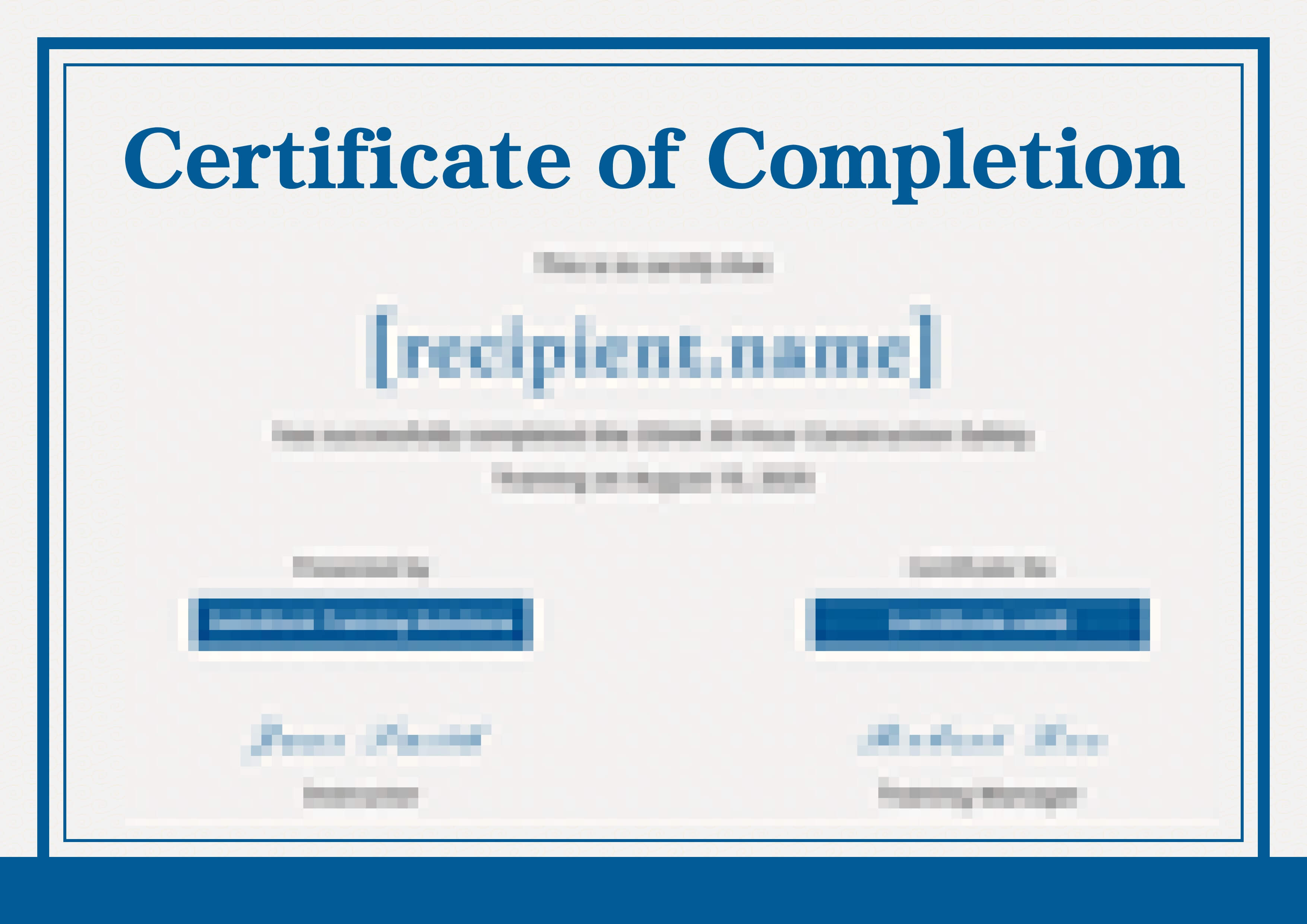
The title sets the tone. Keep it clear and formal so recipients immediately recognize what the document represents.
Common titles include:
- Certificate of Completion
- Certificate of Achievement
- Course Completion Certificate
- Training Completion Award
- Workshop Participation Certificate
💡 Tip: Use the exact phrase “Certificate of Completion” if you want your document to look official and match search intent for HR or training records.
2. Write the Main Body Text
The main paragraph should state who earned the certificate, what they completed, and why they’re being recognized.
A simple formula works best:
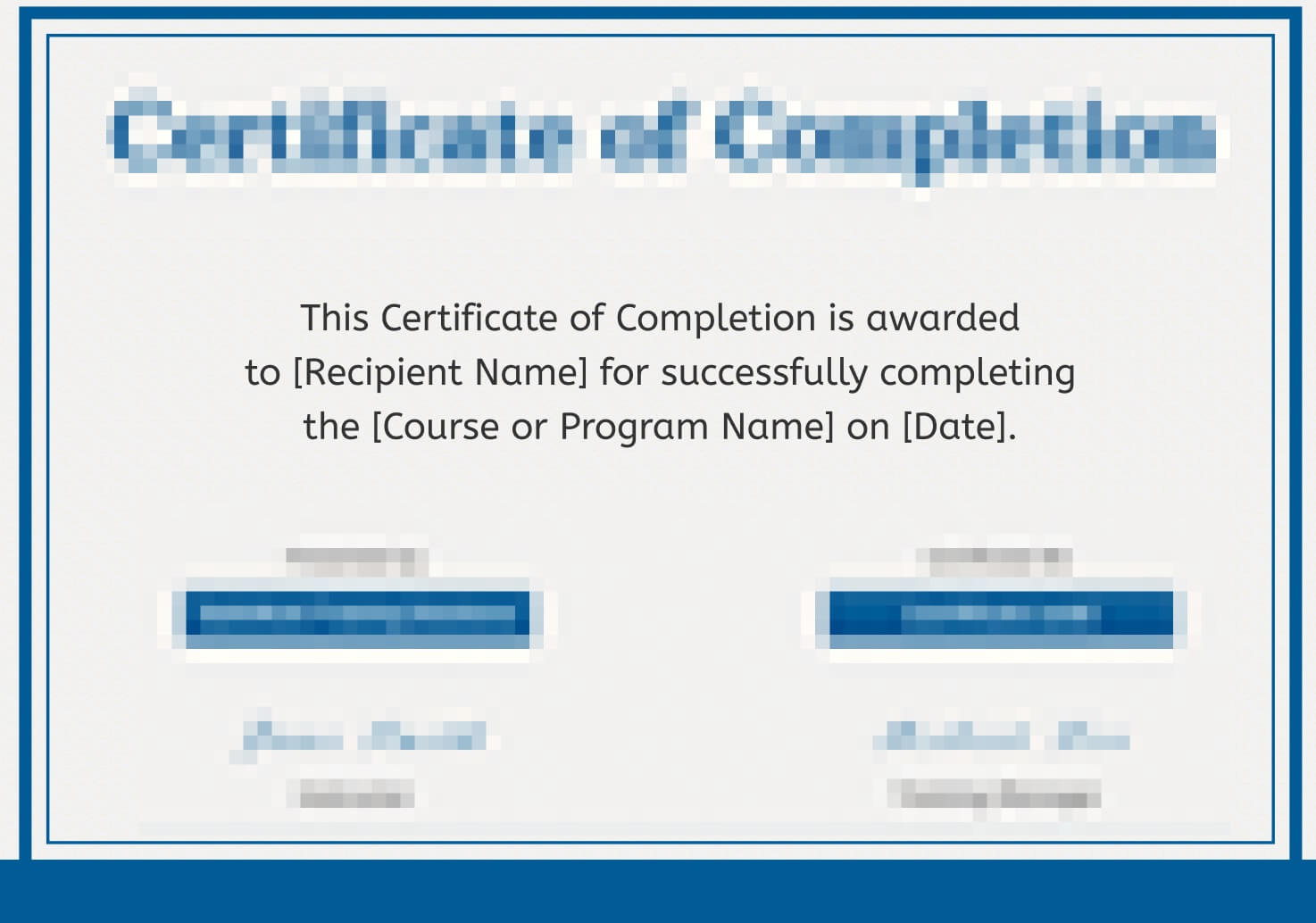
This Certificate of Completion is awarded to [Recipient Name] for successfully completing the [Course or Program Name] on [Date].
If you prefer something more descriptive, you can add details such as performance or organization name:
Presented to [Recipient Name] for the successful completion of [Training Name], conducted by [Organization Name], demonstrating dedication and achievement on [Date].
3. Add Optional Recognition Lines
You can personalize the tone depending on the context:
-
Formal / Professional: “In recognition of the commitment and effort demonstrated throughout the training program.”
-
Educational: “For completing all academic requirements and showing continued dedication to learning.”
-
Workshop / Seminar: “For actively participating and completing the [Workshop Name].”
💡 Pro Tip: Keep the sentence concise — certificates are meant to look elegant, not text-heavy.
4. Include the Signature and Issuer Details
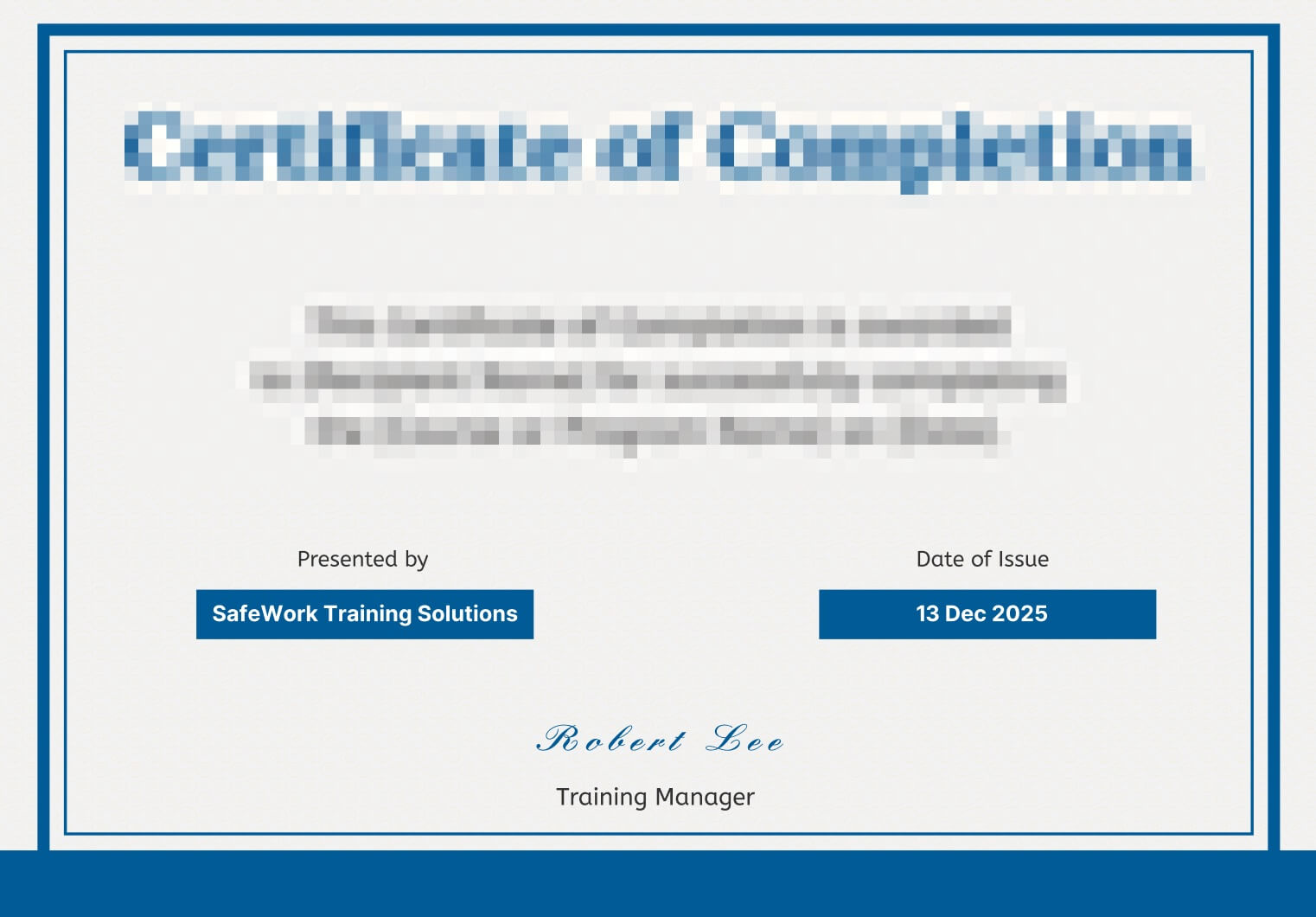
The closing section makes your certificate official. Add:
- Signature line(s) — for instructors, HR, or organization heads.
- Printed name and title — e.g. “John Tan, Training Manager.”
- Date of issue.
5. Review for Tone and Consistency
Before printing or sharing:
- Use consistent capitalization (e.g. “Certificate of Completion” not “certificate of completion”).
- Double-check spelling of names and course titles.
- Align tone with your organization — academic, corporate, or creative.
6. Example Wordings by Use Case
Here are some ready-to-use templates for different contexts:
🎓 Student Course Completion
This Certificate of Completion is proudly presented to [Name] for completing the [Course Name] with dedication and excellence.
🧰 Corporate Training
This certifies that [Name] has successfully completed the [Program Name], demonstrating growth and professional development.
🧑🏫 Workshop or Seminar
Awarded to [Name] for active participation and successful completion of the [Workshop Title] held on [Date].
💻 Online Program
Presented to [Name] for completing the online [Course Title] through [Platform or Provider Name].
7. Common Mistakes to Avoid
- ❌ Overloading text — keep it elegant and easy to read
- ❌ Using casual phrases like “Congrats!” on formal + certificates
- ❌ Forgetting the date or issuer information
- ❌ Poor font contrast or layout that hides key details
8. Make It Easy With Templates
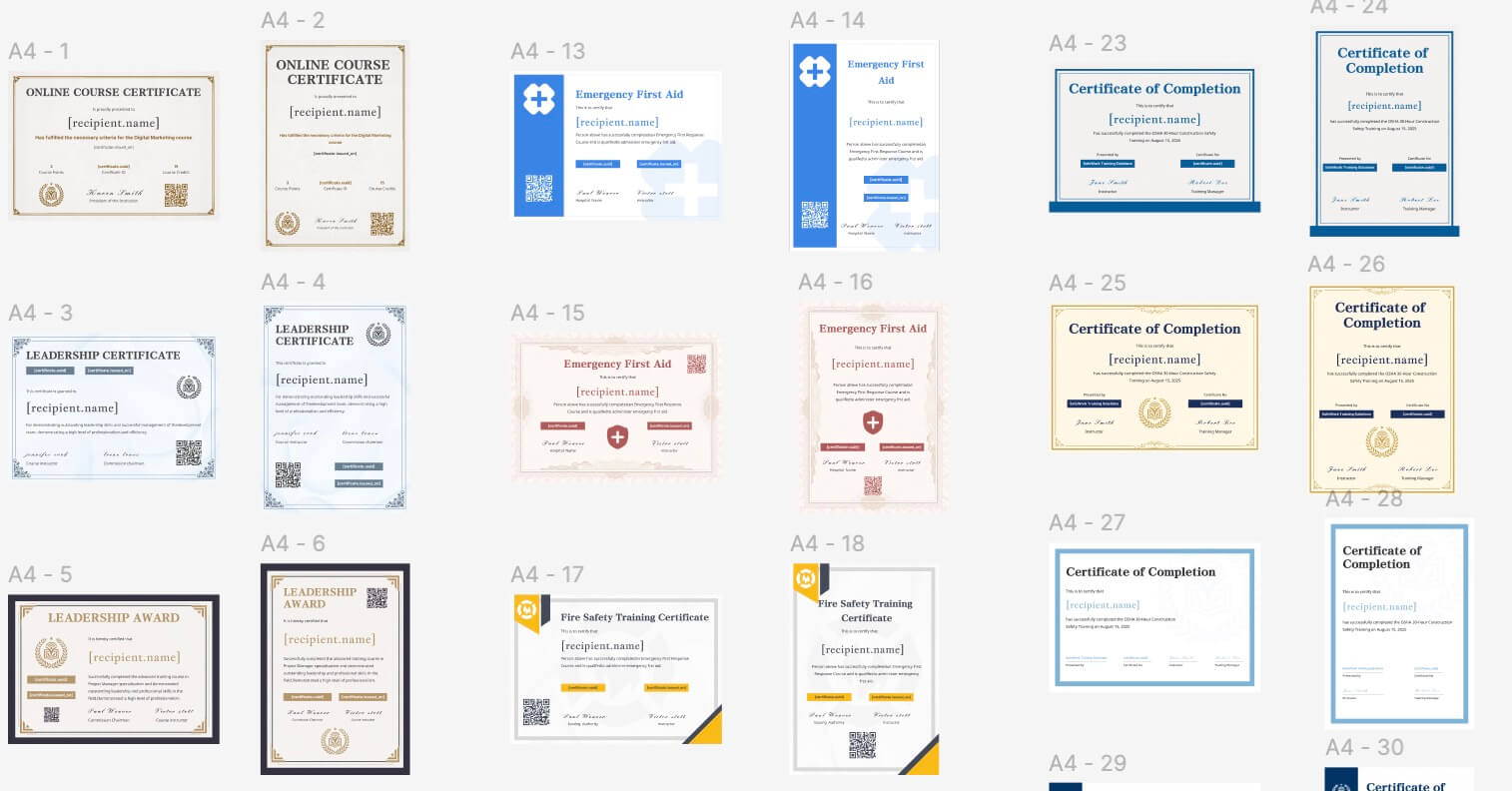
If you’d rather skip formatting and focus on writing, start with a ready-to-edit layout.
You can simply replace the sample text with your own and print or share it digitally.
👉 Explore free, editable Certificate of Completion Templates — available in Word, PDF, and Figma formats.
Final Thoughts
Writing a certificate of completion isn’t just about formality — it’s about creating a lasting sense of accomplishment. With clear structure, elegant wording, and the right template, your certificates can look professional and meaningful every time.
Table of Contents
Related Articles
Discover more insights and stories that might interest you